
Guide to Achieving Durable Floors in Your Space
When looking to enhance the durability and aesthetics of your floor, choosing the right installation method is crucial. Epoxy floors are popular for their strength and longevity, making them a preferred choice for many homeowners and businesses alike. By following specific steps during the installation process, you can ensure that your flooring lasts for years without significant wear or damage.
Understanding Floor Preparation
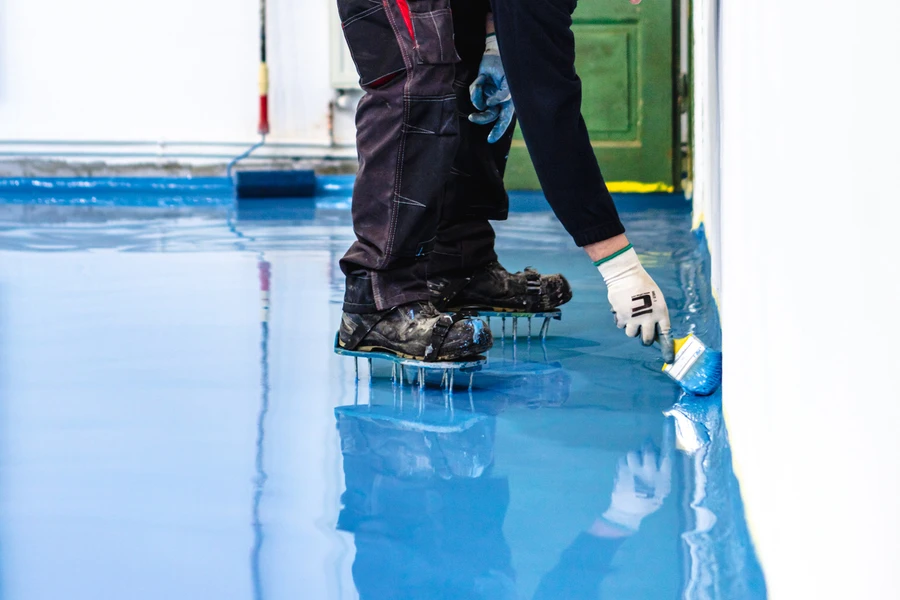
The foundation of any successful epoxy flooring project is thorough preparation of the surface. This includes cleaning the floor meticulously to remove debris, dust, and oil residues. It’s essential to ensure that the surface is dry since moisture can affect the bonding process. A clean, prepared floor promotes better adhesion and results in a more durable finish.
Using Quality Materials
Selecting high-quality materials directly impacts the lifespan of your flooring. When applying epoxy flooring, choose products known for their resilience and reliability. High-grade epoxy resins provide superior protection against chemicals and physical abrasion, ensuring your floor remains intact even under heavy usage conditions.
Applying the Primer Coat
A primer coat serves as a base that enhances the adhesion of subsequent layers. It also seals any existing pores on the concrete surface, preventing air bubbles during epoxy application. For epoxy flooring, using an appropriate primer ensures that the topcoat adheres firmly and uniformly across the entire surface.
Mixing and Applying Epoxy
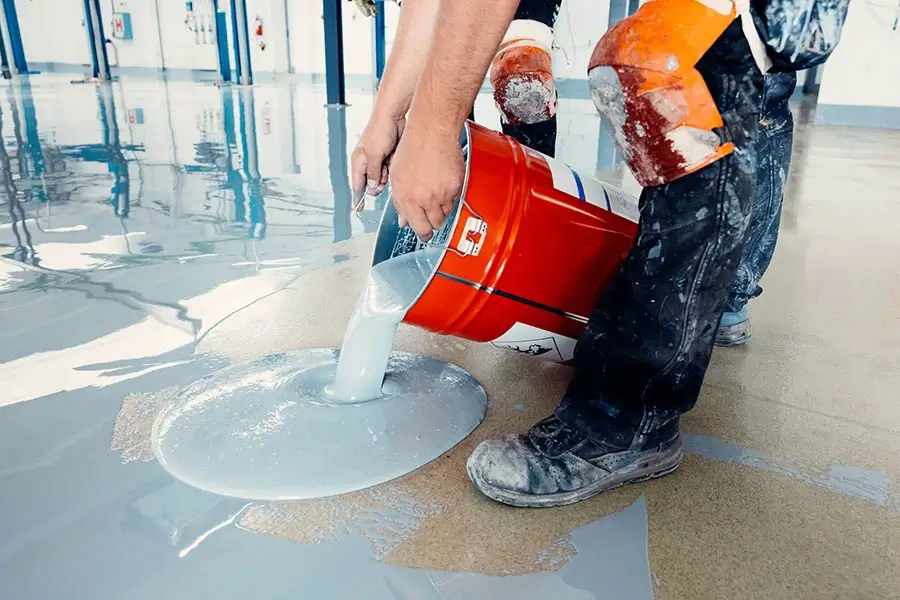
Proper mixing and application are key stages in achieving a flawless finish. Follow manufacturer instructions carefully to mix the resin and hardener at the correct ratio. Once mixed, promptly apply the mixture using a squeegee or roller. The thickness should be consistent throughout to avoid weak spots that might crack over time.
Maintaining Consistent Conditions
Temperature and humidity levels play significant roles during the curing process. Ideally, epoxy flooring should be applied in a controlled environment where temperature ranges between 60°F to 85°F. Excess humidity can cause cloudiness while extreme temperatures may hinder proper curing.
- Ensure the room is well-ventilated to help with fumes
- Avoid direct sunlight exposure during curing
- Maintain steady temperature until fully cured
Recognizing Common Challenges
Despite careful planning, some challenges may arise during installation. Air bubbles, uneven surfaces, or premature peeling are common issues faced by installers. Addressing these problems requires understanding their causes-often related to surface preparation-or environmental factors like temperature fluctuations.
Implementing Best Practices
For long-lasting results, adhere to industry best practices such as allowing adequate curing time before placing heavy items on the floor. Regular maintenance including sweeping and occasional mopping will keep your floor looking new. Also consider applying a topcoat for added protection against scratches and fading.
Evaluating Cost Factors
While initial setup costs for epoxy floors might seem high, their longevity offers excellent return on investment. Consider both material costs and potential expenses associated with professional installation services when budgeting. Over time, reduced need for replacements or repairs justifies upfront expenditures.
Concluding Thoughts With Practical Steps
Your journey toward installing durable flooring begins with proper knowledge and commitment. By following expert tips outlined above, you can achieve lasting results that meet your expectations. Located in Tampa, FL, our team at Holly Epoxy Services specializes in providing professional guidance tailored to your unique needs. Call us today at (656) 245-0199 to explore how we can assist with your next flooring project.